

What heavy legs are and why they occur
Heavy legs is a feeling of tiredness, tightness or swelling that tends to concentrate in the calves, ankles and feet. It is not a disease in itself, but a symptom that, in most cases, is related to slow venous circulation.
The veins in the legs have to push blood upwards, against gravity. When that venous return works with difficulty, blood and fluids tend to build up in the lower part of the body. The result is that all-too-familiar sensation of tired, heavy and swollen legs.
There are several factors that contribute to the appearance of heavy legs:


How massage helps to combat heavy legs

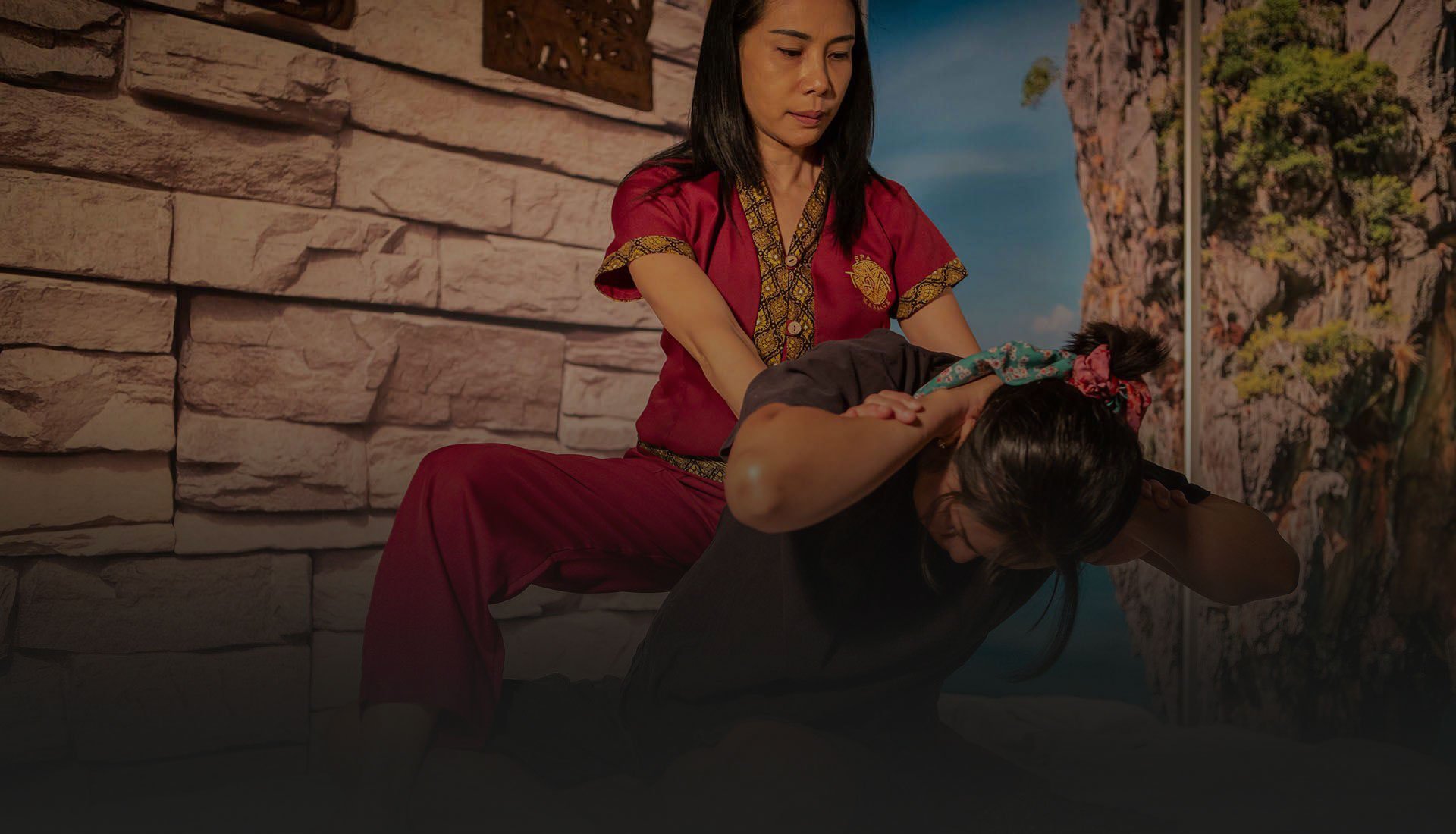
Massage is one of the most powerful allies against heavy legs because it works directly on the circulatory and lymphatic systems. It has three main effects:


Step-by-step self-massage to relieve heavy legs
You can do it in just a few minutes, preferably at the end of the day. With a little moisturising cream or oil (better if it has a cooling effect):
1- Start with the feet. Using your thumbs, press the sole from the heel towards the toes. Spend a few seconds on each area.
2- Move up to the ankles. Wrap both hands around the ankle and make gentle circular movements.
3- Work on the calves. With your palms, always glide from the bottom upwards, from the ankle towards the knee. Repeat several times. This upward direction is essential to encourage venous return.
4- Continue with the thighs. Gently knead the front and back, always in the direction of the heart.
5- Finish with your legs raised. Lie down and rest your legs against the wall for a few minutes to enhance the decongesting effect.
The key is consistency: a daily self-massage of five to ten minutes makes a big difference to the feeling of heavy legs.

Tips that boost the effects of massage
The effects of massage are enhanced when you combine it with a few simple habits in your daily routine. The first is to move every hour: walking for a few minutes activates the calf muscle pump and helps prevent blood from stagnating in the lower part of the legs. Along the same lines, applying cold water is very beneficial, since a cold shower from the knees down contracts the veins and refreshes the legs instantly.
Diet also plays an important role. Staying well hydrated and taking care of what you eat makes a difference, and in particular it is advisable to cut down on salt to minimise fluid retention, one of the main causes of that feeling of heaviness. At night, raising your legs while you rest reinforces all of the above: placing a cushion under your ankles when you sleep improves venous return while you rest. Finally, always go for comfortable clothing and avoid garments that are too tight, as they hinder circulation and work directly against you.

In good hands
As you have seen, massage is undoubtedly the best ally for combating heavy legs: it boosts circulation, reduces swelling and restores that feeling of lightness that is so welcome at the end of the day. And although self-massage at home is a great habit, nothing compares to the expert hands of a professional who knows exactly how to work each area to achieve deep, lasting relief.
So if you really want to say goodbye to tired legs, we invite you to enjoy the experience at Thai Spa Massage.
Our foot and leg massage is designed precisely for that: to reactivate circulation, release accumulated tension and leave your legs light, rested and full of energy. Come and discover it, and treat yourself to the rest your legs deserve.
We look forward to seeing you!