

What is a massage: more than pressing muscles
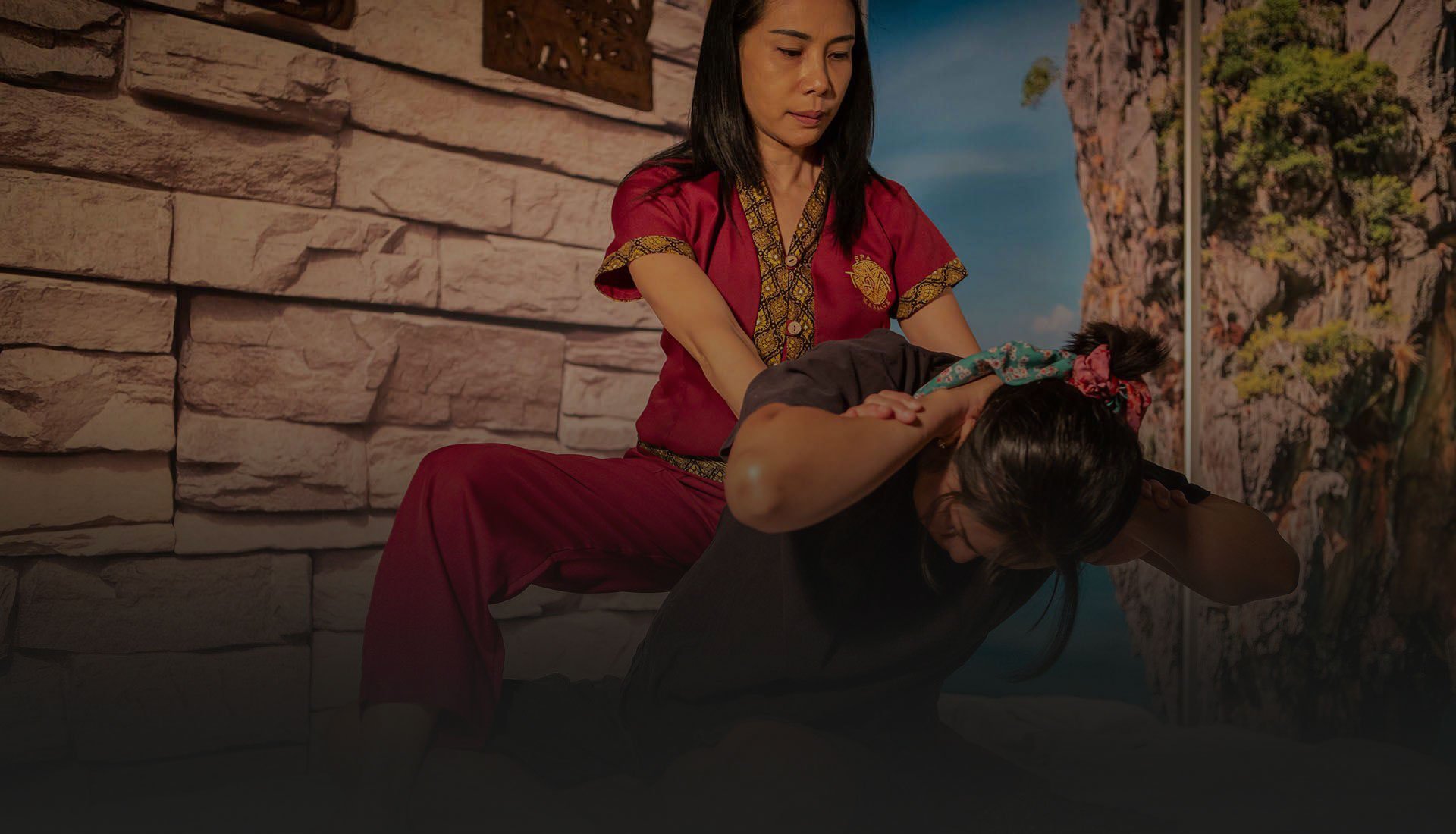
When we ask ourselves what a massage is, the answer cannot be reduced to a mechanical technique. A massage is a therapeutic practice that involves applying pressure, friction, or manipulation to the body’s soft tissues — mainly muscles, skin, and fascia — for the purposes of relaxation, healing, or stimulation. Depending on the style, it may be performed using the hands, fingers, elbows, or even the feet, as in traditional Thai massage.
Massages can be gentle or deep, slow or dynamic, localized or full-body. The variety of techniques is vast, but they all share a common idea: the body accumulates tension that can be released through conscious touch. Some massages stimulate circulation, others aim to release energetic blockages, and some combine both approaches. In all cases, the goal is not only to relieve physical symptoms, but also to restore an overall sense of well-being.
Massage and health: a science-backed relationship
Numerous studies support the benefits of massage for both physical and mental health. In fact, organizations such as the Mayo Clinic and the National Center for Complementary and Integrative Health have gathered evidence showing how massage helps reduce stress, relieve muscle pain, improve circulation, and promote better sleep.
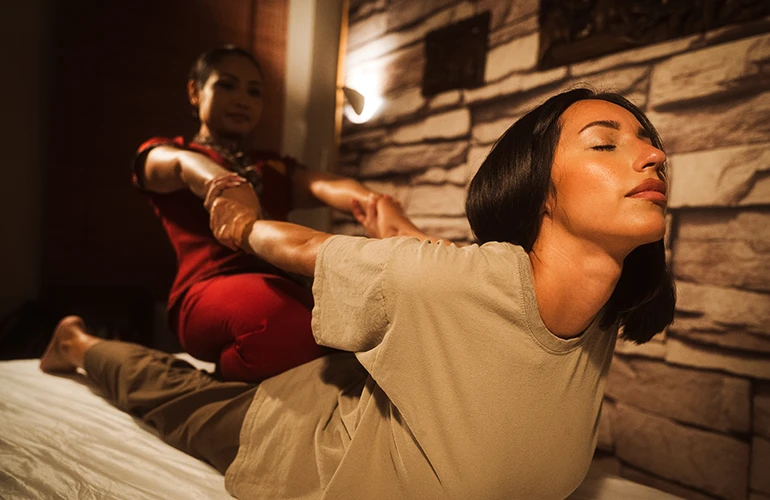
In the case of Thai massage, the benefits go even further thanks to its holistic approach. This type of massage combines deep pressure, assisted stretching, and breathing techniques, making it an almost meditative experience. In specialized centers such as Thai Spa Massage, each session is adapted to the individual, integrating tradition with therapeutic sensitivity.

Massage as an emotional experience
Although massage has clear physical benefits, many people highlight its emotional and psychological effects. Feeling cared for, attended to, and understood without words can be deeply restorative. In a world where human contact has become scarce, massage gives the body a kind and meaningful sense of presence.
A good massage stimulates the release of endorphins, the so-called “happiness hormones,” and reduces the production of cortisol, which is linked to chronic stress. In addition, it can help release blocked emotions, especially when performed in a warm, quiet, and respectful environment. In this sense, understanding what a massage is also means recognizing its symbolic value: it is an invitation to pause, to feel, and to return to the present moment.

Types of massage and their applications
There are many types of massage, each with specific goals, techniques, and benefits. Understanding what a massage is also means knowing the wide range of options available and how they adapt to different physical and emotional needs.
Swedish massage, for example, is one of the most well-known styles in the Western world. It is based on smooth, flowing movements, ideal for those seeking deep relaxation, stress reduction, and improved circulation. It is perfect as a first introduction to the world of massage.
Sports massage, on the other hand, goes a step further. It is designed for people who engage in regular physical activity, helping to prepare muscles before exertion or aid recovery afterward. It uses more intense and localized techniques, focusing on specific areas of the body that have accumulated tension or overload.
Another highly valued type is lymphatic drainage, which works on the lymphatic system through gentle, rhythmic pressure. This massage is especially useful for reducing fluid retention, supporting toxin elimination, and improving circulation. It is recommended for inflammation, edema, or as part of anti-aging treatments.
Thai massage, in turn, is one of the most complete and ancient forms. By combining pressure, stretching, and energy work, it aims to unblock joints, improve posture, rebalance the body’s energy flow, and increase flexibility. It is performed fully clothed on a futon on the floor and is deeply rooted in Buddhist tradition and Thai medicine.
In addition, there are massages designed for specific stages of life, such as prenatal massage, adapted to the body’s needs during pregnancy, or massage for older adults, which takes into account bone fragility, circulation, and reduced mobility. There are also treatments focused on the face, head, or feet, offering notable relaxing and aesthetic effects.
Knowing the different types helps better answer the question of what a massage is, because each technique responds not only to a physical need, but also to an emotional state or a specific moment in life.

Massage as part of a wellness routine
Including massage as part of your regular routine not only improves physical condition, but also contributes to emotional balance. Instead of turning to massage only when pain or muscle tension appears, many people integrate it as a preventive practice, just as they would with physical exercise or healthy nutrition.
At Thai Spa Massage, for example, many people visit weekly or monthly not to “fix” something, but to maintain an optimal state of well-being. This approach shifts the question of what a massage is toward a more meaningful one: how does it make me feel?
A tradition that connects East and West
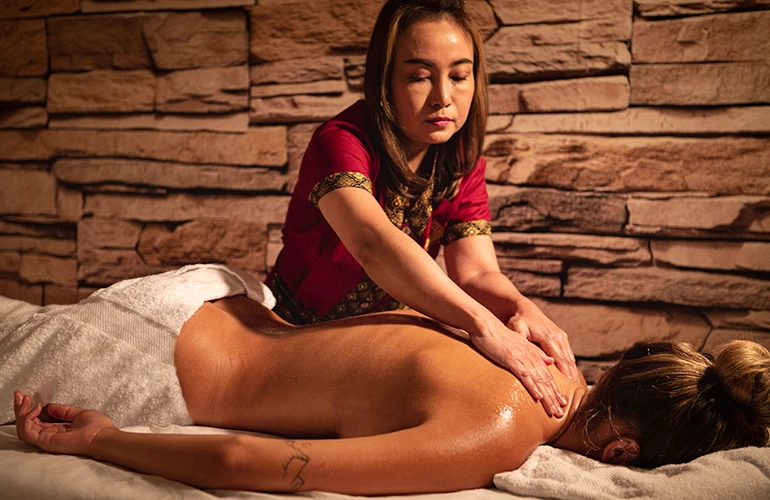
The global rise of massage responds to a shared need to reconnect with the body. In Thailand, this practice is taught in traditional schools, applied in hospitals, and passed down from generation to generation. Its expansion to the Western world has not diluted its essence; on the contrary, it has allowed more and more people to discover the real effects of a good massage.
Understanding what a massage is goes beyond its definition. It means recognizing that, beyond techniques or benefits, it is a deeply human act. A space where the body is released, the mind grows still, and the soul simply breathes.