


The soul of Thai cuisine
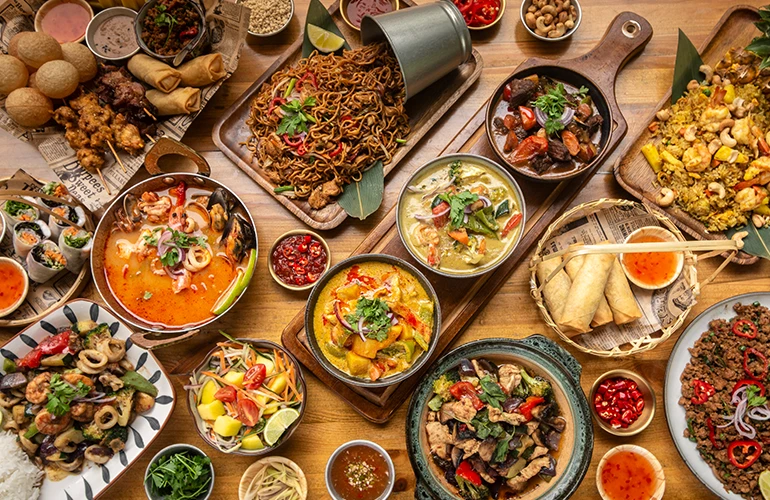
If there is something that defines Thai cuisine, it is its sauces. Far from being just a simple complement, Thai sauces are the heart of many dishes. They help create the characteristic balance between sweet, salty, sour, and spicy that distinguishes this gastronomy. Fish sauce (nam pla), oyster sauce, soy sauce, and curry sauces are some of the most well-known, but the variety is wide and diverse.
Each sauce has its own specific role. For example, nam pla provides a deep umami flavor that enhances dishes like pad thai or tom yum soups. Curry sauces, such as red, green, or massaman, form the base of richly flavored stews with a balanced texture. And sweet chili sauce accompanies fried dishes, adding a smooth yet spicy contrast at the same time.
Natural ingredients with holistic benefits
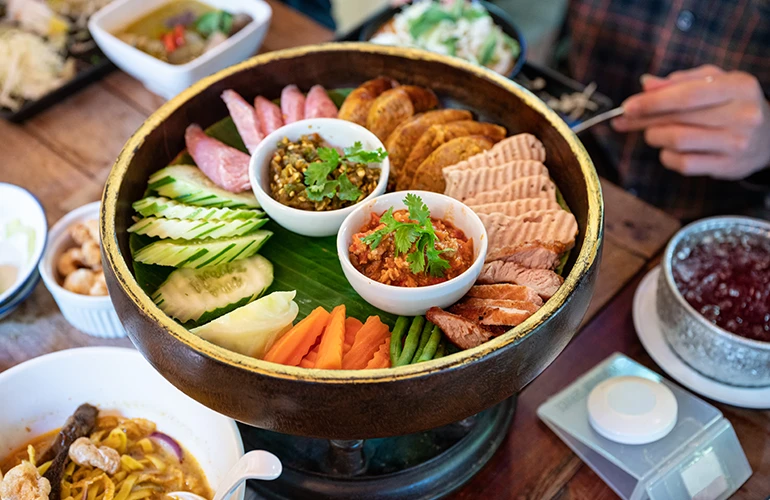
Many Thai sauces are made from natural ingredients that not only provide flavor, but also offer health benefits. Garlic, ginger, kaffir lime, galangal, and red chili are common in these preparations. These ingredients, in addition to supporting the immune system, aid digestion and provide antioxidants.
Thai cuisine is deeply connected to traditional medicine. In fact, many of the herbs used in Thai sauces are also used in wellness treatments or in massages with aromatic oils. This holistic view of health, where what you eat also takes care of you, is one of the reasons why Thai culture continues to fascinate those seeking a balanced lifestyle.

Essential Thai sauces on every table
A good way to understand why Thai sauces are so important is to explore some of the most commonly used:
- Nam pla (fish sauce): intense and salty, used as a base seasoning.
- Oyster sauce: thicker and slightly sweet, ideal for stir-fries like pad see ew.
- Tamarind sauce: adds a mild acidity that balances sweet or spicy dishes.
- Sweet chili sauce: perfect for dipping fried rolls or skewers.
- Light and dark soy sauce: combined to add depth to stews and soups.
Sharing culture and flavors in harmony
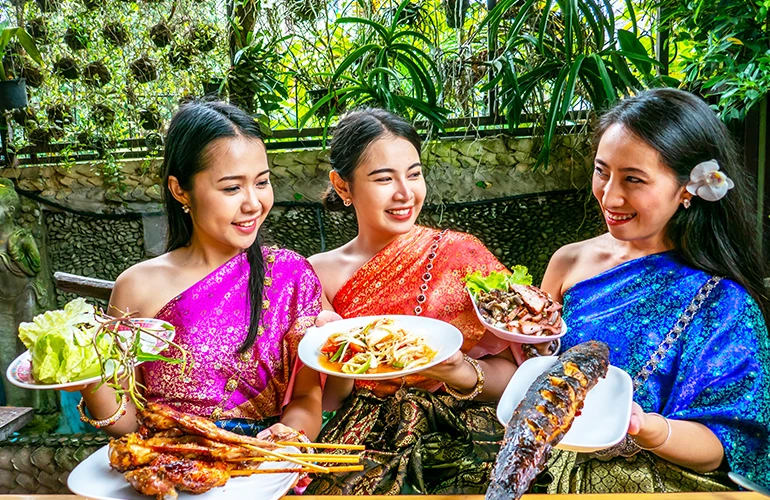
In Thailand, meals are not individual moments. Several dishes are served in the center of the table and shared among all diners. Thai sauces, in this context, become bridges of flavor between different preparations. A well-placed spoonful of sauce can transform the balance of a dish and turn the experience into something much deeper.
This idea of harmony is also present in other forms of well-being, such as traditional massage. Just as sauces balance flavors, massages aim to balance energies. That is why at Thai Spa Massage Barcelona we are inspired by this way of understanding well-being as a sum of carefully crafted details.

Homemade sauces: ritual and experience
Preparing Thai sauces at home can also be an act of self-care. Measuring, chopping, mixing fresh ingredients… the whole process invites you to be present. It is no coincidence that many people who have traveled to Thailand associate their well-being with its food. Cooking is a space for connection, and making your own sauces can be a simple way to bring a part of that culture into your daily routine.
In addition, when you prepare Thai sauces at home, you have the freedom to adjust the level of spiciness, the intensity of flavor, or the texture according to your preferences. This type of open and flexible cooking encourages a more conscious and creative relationship with food.

From the plate to emotional balance
There is something deeply comforting about a well-balanced meal. It is not just about taste, but about the overall experience. Eating a tom kha soup with its perfect balance of acidity, spice, and creaminess can calm the mind just as much as a light meditation session. In this sense, Thai sauces are not just ingredients: they are tools for well-being.
In fact, flavors have the ability to generate memories, sensations, and moods. A well-crafted sauce can transport you to a night market in Chiang Mai or to a peaceful table by the sea in Koh Samui. This emotional connection is also part of well-being.
A simple gesture with deep meaning
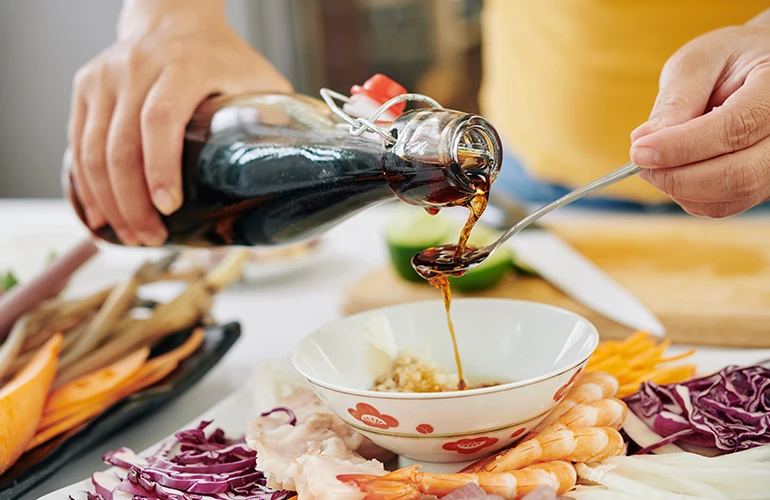
Including Thai sauces in your daily cooking is a way to open yourself to a culture rich in sensory wisdom. You don’t need to travel to taste Thailand, you just need to dare to try, explore, and cook with awareness. And if you want to experience an even deeper sense of well-being, you can combine it with a traditional Thai massage or a visit to a specialized center.
To continue learning about Thai culinary culture, you can visit the official website of Tourism Thailand or explore its culinary traditions on platforms such as Eating Thai Food.