

The body and the soul: keys to Thai respect
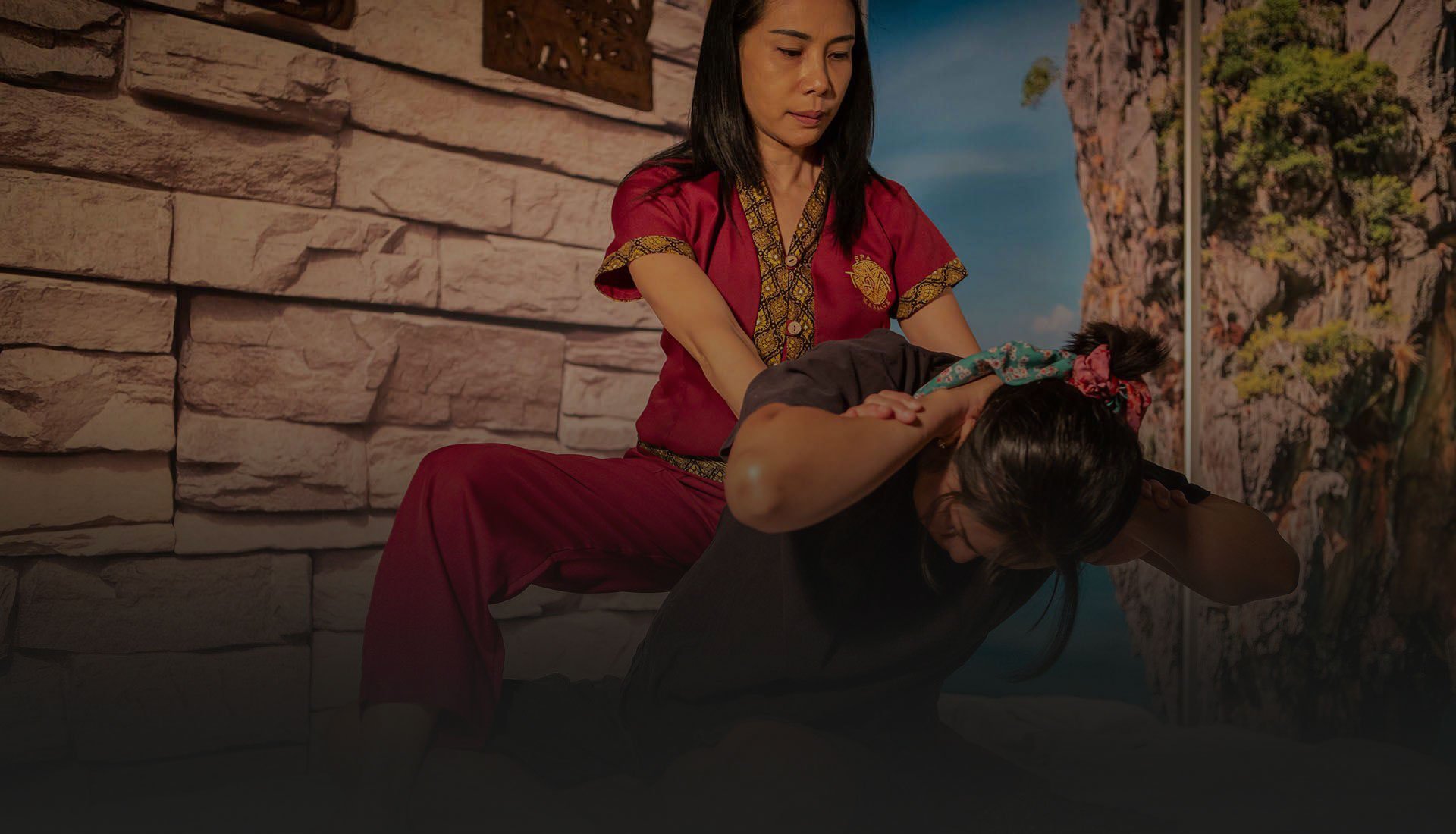
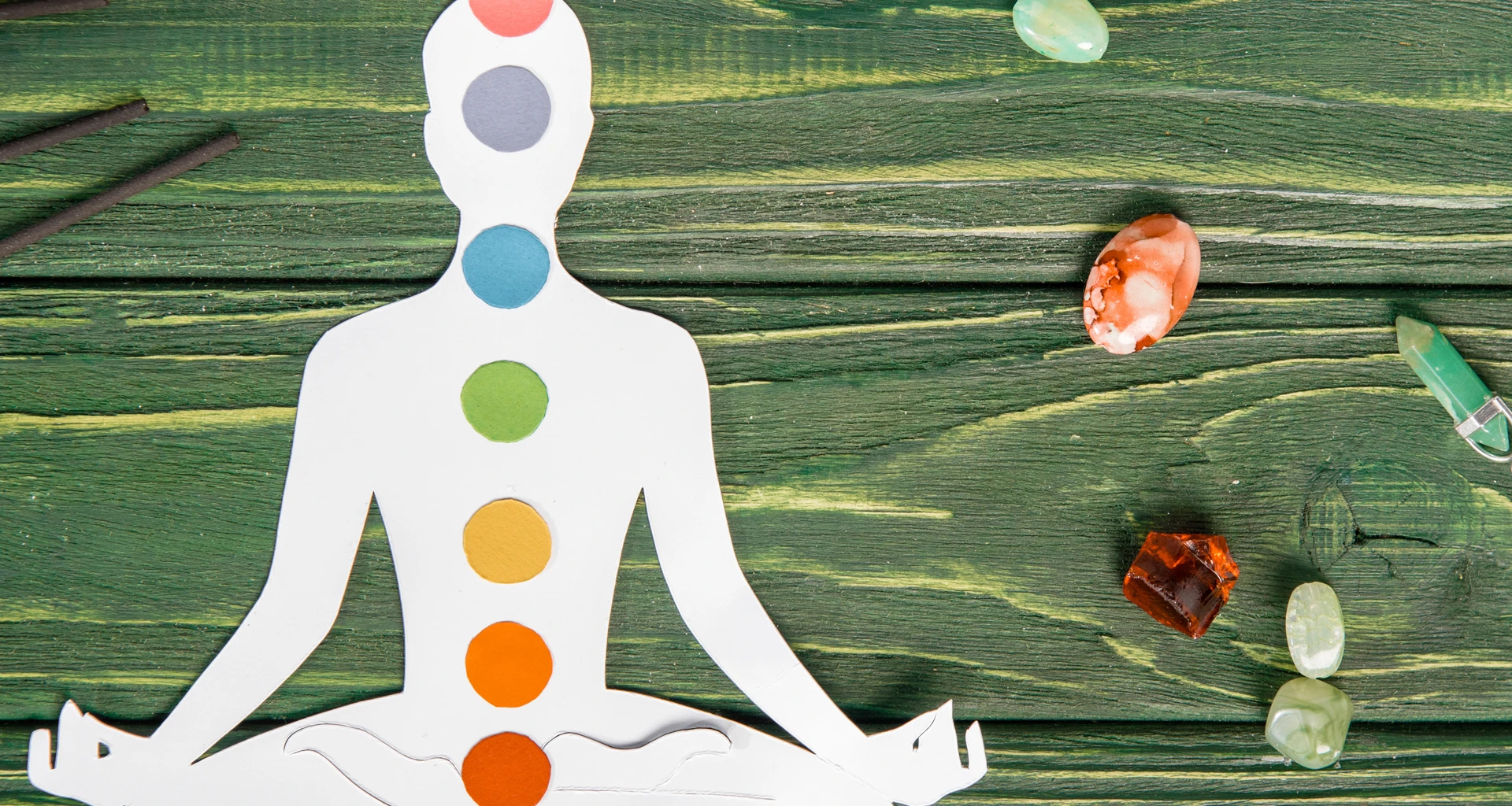
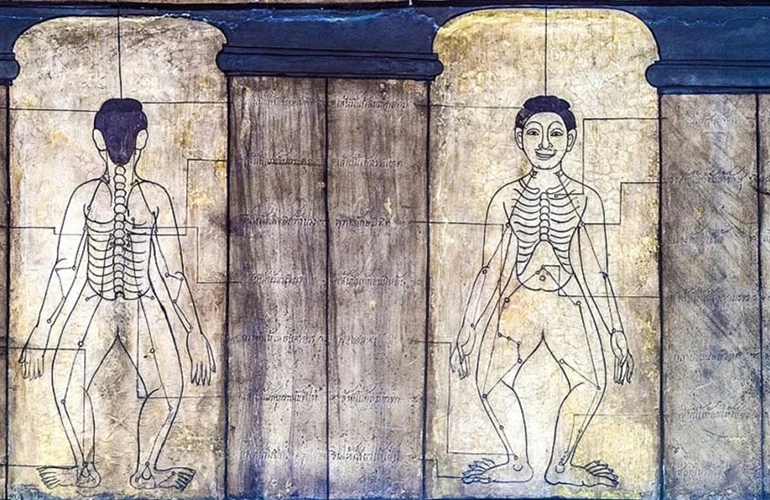
Among the curiosities of Thailand that most surprise visitors is the perception of the body. The head is considered the most sacred part, and the feet the most impure. That’s why it’s disrespectful to point with your feet, touch them with objects, or cross your legs in front of a Buddha image. In many homes and temples, taking off your shoes is mandatory. This sensitivity toward the body is also reflected in Thai massage, where each body part receives precise and conscious attention. In fact, Thai massage is not seen as a luxury but as part of basic self-care and is even recognized by the WHO. This sacred view of the body is taught from childhood and becomes a way to also care for one’s vital energy.
Silent language: the smile as a form of speech
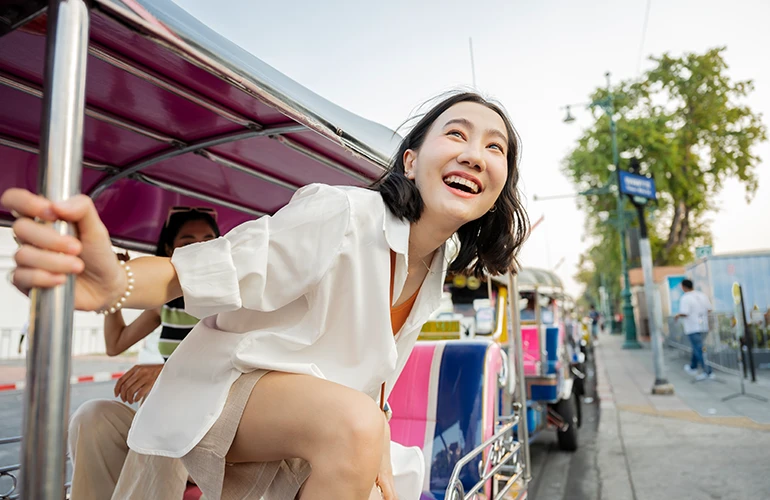
Non-verbal language in Thailand is a world of its own. One of the most fascinating curiosities of Thailand is the variety of smiles: it’s estimated that there are more than ten different types, each with a specific meaning. From expressing gratitude to apologizing or masking discomfort, the smile becomes a subtle communication tool. This attention to emotional nuance also extends to how people interact: avoiding direct confrontation, staying calm, and showing respect are unwritten rules that shape daily life. In this context, emotional health is not treated as secondary but as a basic need.
Living traditions in a modern society
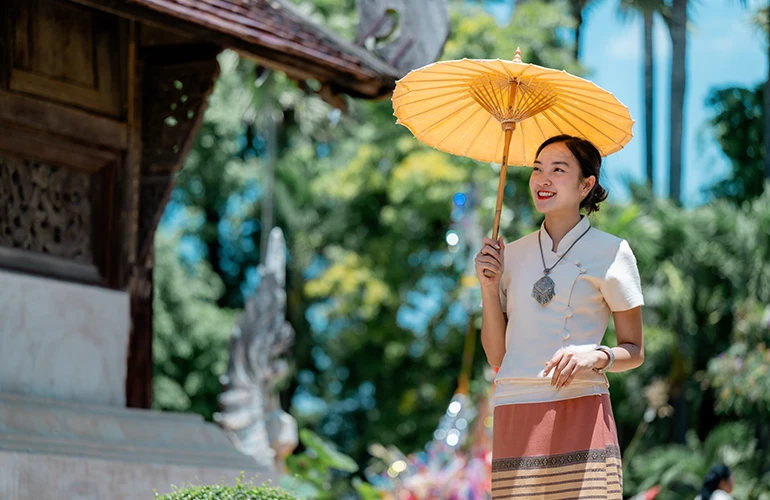
Another of the curiosities of Thailand is the coexistence of modern and traditional elements. Two calendars are used: the Gregorian and the Buddhist. The latter is 543 years ahead, so if it’s 2025 in Europe, it’s 2568 in Thailand. Religious festivities follow the lunar calendar, meaning the dates change every year. Moreover, many daily customs have spiritual roots: it’s considered disrespectful to touch someone’s head—even among family—and people avoid showing negative emotions in public to maintain harmony. Despite its modernization, this connection with ancient traditions keeps the Thai identity alive.

Food and health: beyond flavour
Thai cuisine is also a reflection of its culture. Sharing dishes, offering food to others, and paying attention to presentation are everyday gestures that express respect and generosity. But beyond its social aspects, Thai cooking holds a deep understanding of the body and health. Many of its traditional ingredients—such as ginger, turmeric, lemongrass, or holy basil—not only add flavour but have been used for centuries as part of traditional Thai medicine.
Herbs and spices, present both in meals and body treatments, form part of a holistic approach to wellbeing that connects the digestive system with overall body balance. In local markets, it’s common to find stalls selling herbal blends, healing teas, or fresh ingredients recommended by mor baan (traditional healers). Even in families, it’s usual to prepare homemade infusions or broths with therapeutic properties to relieve minor ailments.
This medicinal aspect of Thai food is not seen as something extraordinary, but as part of everyday wisdom that values prevention, vital energy, and internal balance. The National Center for Complementary and Integrative Health provides detailed information on the traditional and modern use of some of these medicinal plants.
Everyday wellbeing in traditional markets
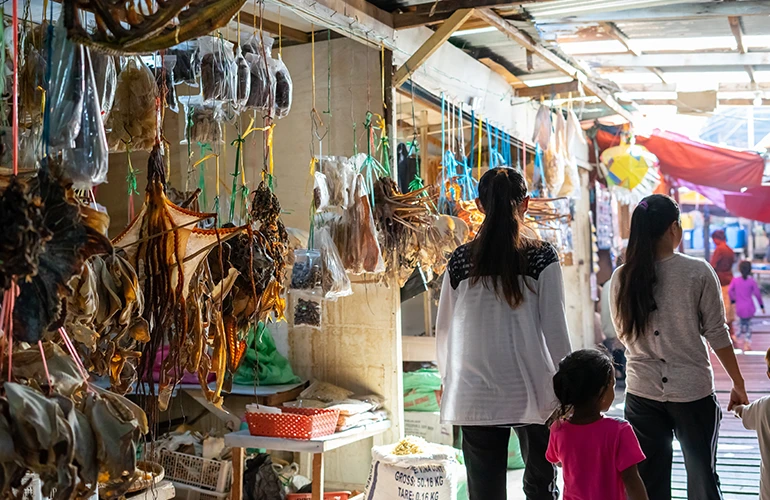
In traditional markets, colours, scents, and textures blend into an experience of their own. It’s not just about shopping: it’s a space for socialising, for community life, and for cultural transmission. Here it’s also common to find herbal pouches for massage, essential oils, and products used in age-old therapies.
These practices remain alive today and are one of the reasons so many people travel to Thailand in search of authentic wellbeing. In these spaces, Thai massage and natural treatments are not tourist services—they are simply part of daily life.
Time as an ally for wellbeing
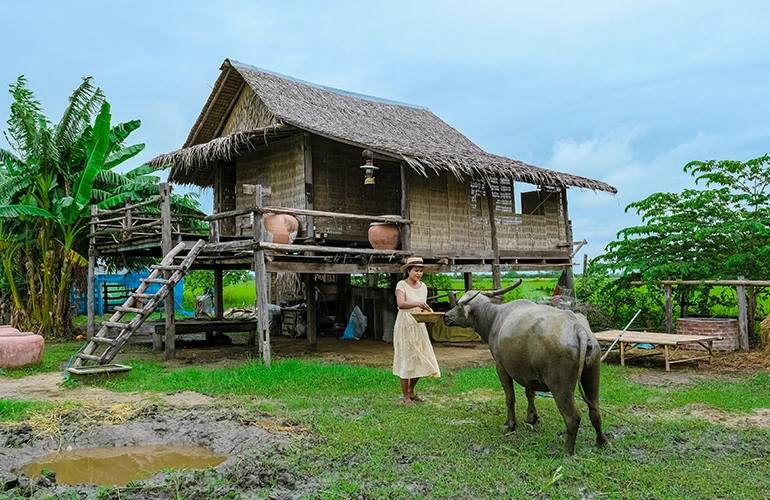
Many curiosities about Thailand reflect its relationship with time. Instead of rushing, the pace is slow. In temples, villages, even in cities, there’s a different rhythm—more mindful, less anxious. This slowness is not inefficiency, but a way of honouring what’s being done.
It’s also the foundation of Thai massage, where each movement is carried out with intention, pause, and awareness of the present moment. Living with this tempo can be one of the most valuable lessons for visitors. Often, this change of rhythm has a deep impact on those seeking to reconnect with their body and their wellbeing.
A mindful way of life that leaves a mark
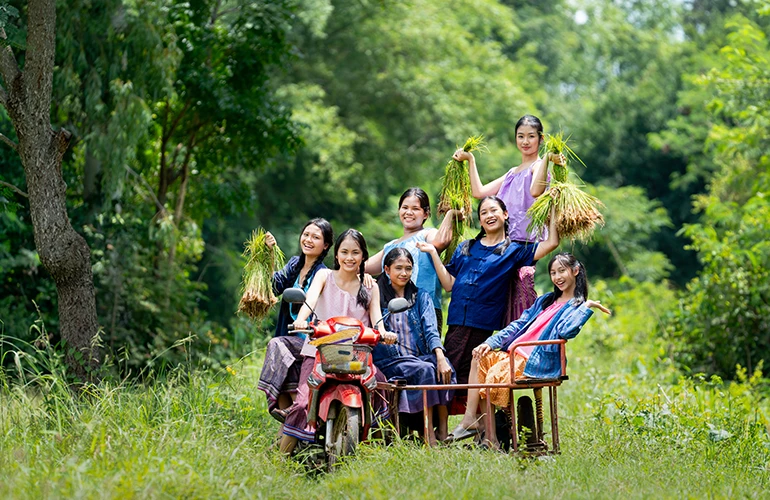
Beyond its postcard-perfect landscapes, the curiosities of Thailand reveal a way of life rooted in presence, gratitude, and connection with others. It’s no coincidence that Thai massage—with its blend of technique, spirituality, and attentive touch—is part of everyday life.
That’s why, when someone experiences a Thai treatment or simply spends time in the country, what they take with them is more than just a memory: it’s a lasting impression of lightness, care, and deep wellbeing. This way of living, so distant from everyday stress, is what inspires every gesture at Thai Spa Massage—and what many wish to hold on to long after returning home.